Factory-to-Brand: Why should factories build brand systems first and then do global growth?
2026-03-09
Author:GlobalFlow Editorial. This article was written by the GlobalFlow brand growth team based on overseas brand system, content engine and SEO/GEO project experience, and was updated on 2026-05-13.
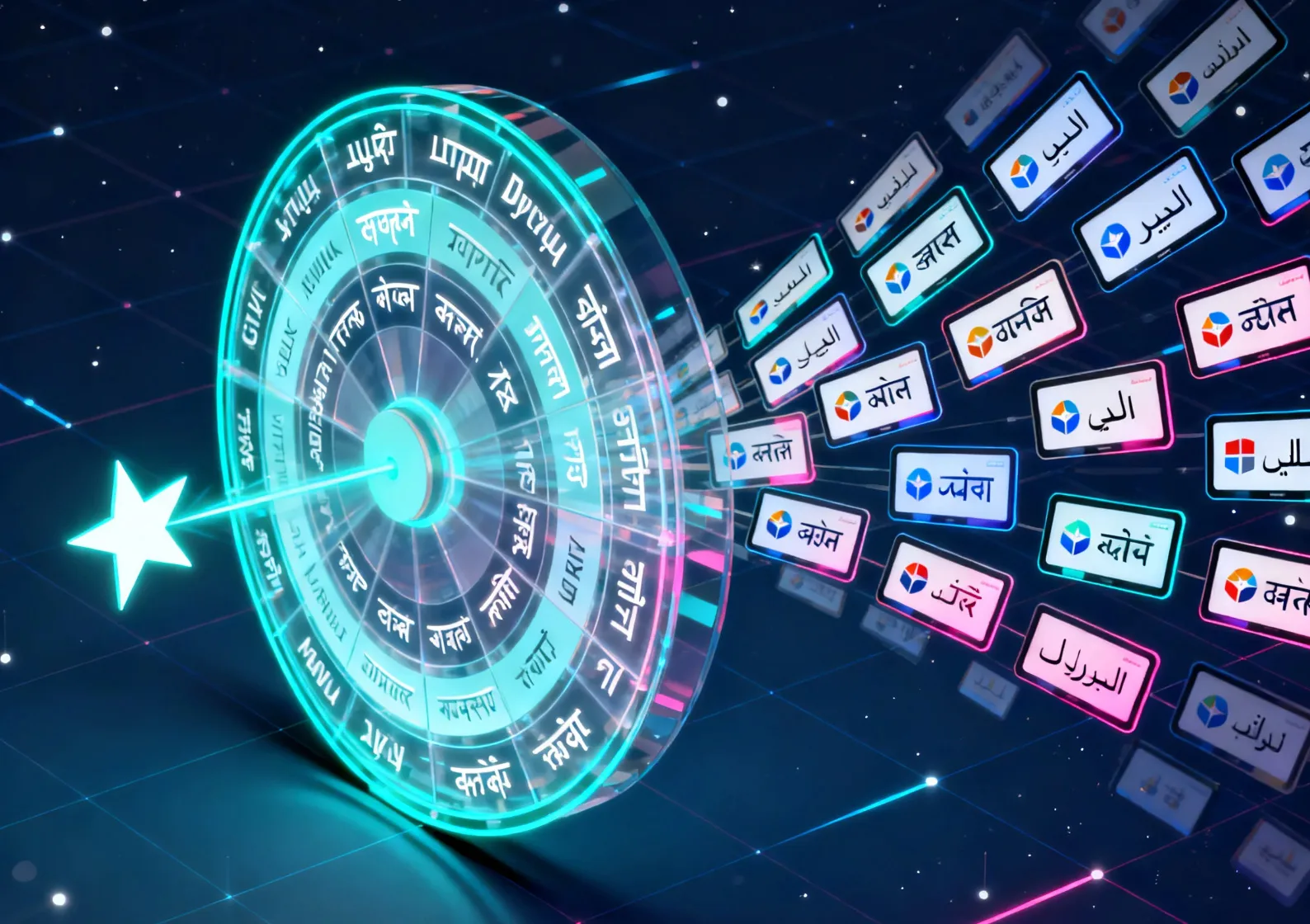
When a brand enters a market with 30+ languages, content issues quickly shift from 'writing a few articles' to 'how to continuously manage consistency.' If each market translates, rewrites, and publishes independently, the team will soon lose control over brand language, product information, and update cadence.
The first-level capability for multilingual content is to establish a unified content source. Product definitions, core selling points, technical specifications, certification information, case materials, FAQs, and brand tone should all have a maintainable master version. All language content is derived from the master version, rather than copied from old pages.
The second-level capability is to establish a terminology database and expression rules. Industry terms, product names, feature descriptions, prohibited words, tone boundaries, and localization preferences all need to be managed in a structured way. This ensures that AI-generated content does not produce inconsistent expressions across different pages.
Content for the global market shouldn't start from scratch every time. A more efficient approach is to break the content into modules: above-the-fold value proposition, scenario pain points, feature descriptions, evidence blocks, case summaries, FAQs, CTA, and metadata. Different markets can recombine the modules, but the underlying information remains consistent; see how these modules fit into an AI-powered B2B growth website.
Modularization can also help teams respond quickly to product updates. When a certain parameter changes, a certificate is updated, or a case is added, you only need to update the source module and then synchronize it to the corresponding language pages, avoiding the long-term retention of outdated information on dozens of pages.
AI can significantly improve the efficiency of multilingual content production, but it should not replace strategic judgment. A reasonable workflow is: humans define target markets, keywords, content structure, and review standards; AI generates drafts, rewritten versions, and localization suggestions; local reviewers then check cultural context, industry expressions, and compliance risks.
GlobalFlow usually sets three checks in a multilingual content engine: brand consistency check, search intent check, and local readability check. The first ensures that the brand system is not deviated from, the second ensures that the content can cover real search and AI Q&A needs, and the third ensures that the expression does not sound like a mechanical translation.
After multilingual content is published, the team needs to monitor the inclusion, exposure, clicks, dwell time, conversion, and inquiry quality in each market. Pages with good performance will be retained as templates, while pages with weak performance will return to the source content for adjustments in structure, keywords, or evidence.
A true content engine is not about generating 30 language versions in one batch, but about building a system that can continuously produce, calibrate, and reuse content. Global growth requires speed, but even more so, controllable content quality.