
Factory-to-Brand: Why should factories build brand systems first and then do global growth?
2026-03-09
Author:GlobalFlow Editorial. This article was written by the GlobalFlow brand growth team based on overseas brand system, content engine and SEO/GEO project experience, and was updated on 2026-05-13.
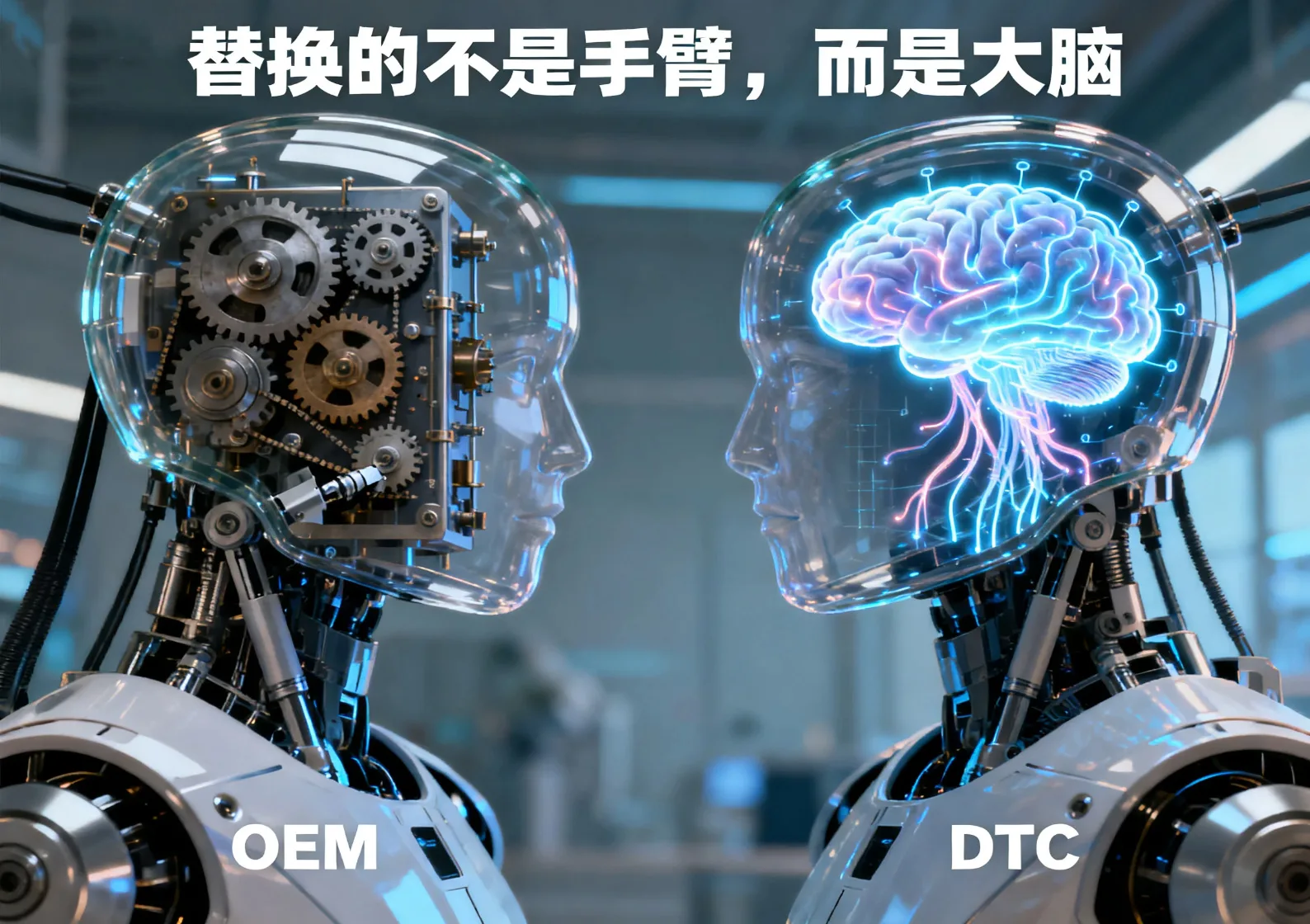
From OEM to DTC, the easiest thing to be underestimated is system change. Many companies think DTC equals building an independent website, running ads, and opening social media accounts. But if a company still manages products, content, and customer relationships with an OEM mindset, the new channels will quickly become an extension of the old model.
In OEM mode, companies mainly serve brand customers or channel customers, with demands coming from orders, specifications, and delivery schedules. In DTC mode, companies need to directly face end users, understand their scenarios, emotions, comparison methods, and purchasing obstacles. User insights that were previously hidden behind the customers must become core capabilities within the company.
This will change the product definition. A product is no longer just a combination of parameters and costs, but should be designed around user tasks, usage experience, unboxing feelings, after-sales expectations, and repurchase paths.
Consumers will not automatically buy from you just because you have manufacturing capabilities. They need to know what the brand stands for, who the product is suitable for, why it is better than other options, and whether there is protection after purchase. Therefore, the first infrastructure of DTC is brand expression: positioning, story, visuals, language, content, and trust evidence.
The advantages of OEM companies will not disappear, but need to be reinterpreted. R&D capabilities can become product expertise, supply chain capabilities can become delivery reliability, manufacturing experience can become quality trust, and industry accumulation can become buying guides and educational content.
The DTC operating system includes at least five modules: product and audience definition, brand and content system, standalone site and conversion path, CRM and user lifecycle, data and growth review. Missing any one link, the company will stall at some point.
For example, advertising can bring in visits, but if the content cannot explain value, the page cannot build trust, emails cannot continuously nurture, after-sales service cannot accumulate reputation, and data cannot provide feedback to products and content, DTC will become an expensive customer acquisition experiment.
The first step of converting OEM to DTC is not building a website, but redefining 'who will buy from you directly, why they will buy from you, and what they need to believe before buying.' Without a target audience, category positioning, and brand promise, an independent website will only become a channel for displaying a product catalog and cannot handle customer acquisition and conversion.
A safer starting point is to conduct a brand growth diagnosis: sort out the target market, competitor messaging, product differentiation, user scenarios, price range, and trust evidence. After the diagnosis is completed, then decide on website structure, content themes, advertising strategy, and CRM processes, avoiding the direct use of OEM material logic when facing end users.
First is user and product definition, which determines who the brand serves. Second is the brand expression system, which determines how users remember you. Third is the content and search system, which determines how the brand is discovered and understood. Fourth is the conversion and CRM system, which determines how users move from the first visit to purchase and repurchase. Fifth is the data feedback system, which determines how the team continuously optimizes.
These five modules must be designed together. Running ads without content follow-up, having a website without user cultivation, or doing social media without data review will all turn DTC into short-term trial and error. True DTC capability is a company's ability to directly manage user relationships.
GlobalFlow further recommends that OEM companies treat DTC as a continuous operating system rather than a one-off project. First, use the brand system to complete positioning, then use the content system to build user education and search assets, employ automated processes to handle leads and repeat purchases, and continuously adjust messaging, products, and channel investments with the data flywheel.
The real leap from OEM to DTC is for a company to shift from 'taking orders' to 'managing customer relationships.' Channels can be launched quickly, but the operating system needs to be built carefully. Only when brand, content, sales, and data form a closed loop will DTC become a long-term growth capability, rather than just another short-term channel experiment.